
Cannabis Consciousness: Are You Using the Plant—or Is It Using You?
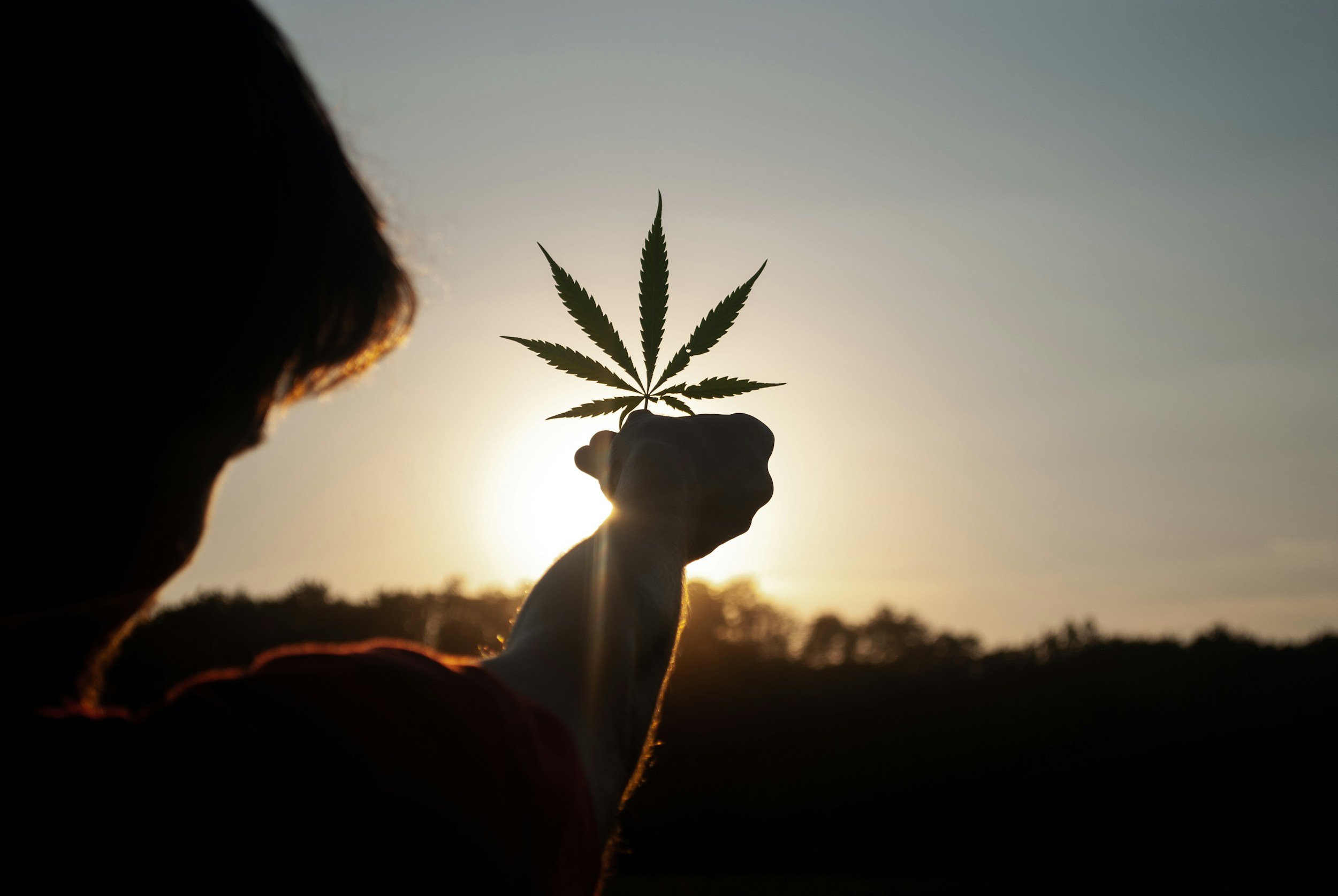
For thousands of years, cannabis has been associated with ritual, spirituality, healing, and altered states of consciousness. Yet in modern culture, much of that intentionality has been stripped away. What was once approached as a sacred experience has increasingly become something consumed casually, socially, or as a way to relax, numb, or escape.
At its heart is a provocative question: Is cannabis a sacred bridge to deeper consciousness, or can it become a psychological and spiritual trap?
The answer isn't simply one or the other. Cannabis can act as an amplifier and a mirror, bringing thoughts, emotions, memories, and unresolved wounds into greater awareness. What feels like sudden anxiety or paranoia may sometimes be an invitation to look at something that already exists beneath the surface rather than something the plant has created.
The Missing Ingredient: Intention
One of the most powerful ideas is that the context surrounding an experience matters.
Ancient traditions described cannabis as something approached with preparation, ceremony, prayer, intention, and respect—not simply something consumed casually. Modern culture may have retained the altered state while losing the container that once surrounded it.
This raises an important question:
What happens when we seek profound experiences without creating the inner or outer space to process them?
Without intention, an altered state can become another form of escape. With intention, it can become an opportunity for reflection and self-inquiry.
When the Hidden Parts of Us Become Louder
Cannabis can sometimes bring emotional material to the surface that has been pushed aside or avoided.
It's like shining a flashlight into a dark basement and suddenly seeing all the boxes you've been avoiding.
Instead of immediately asking, “How do I make this feeling go away?” we might ask:
“What is this feeling showing me?”
The anxiety may point toward grief.
The paranoia may reveal insecurity.
The recurring memory may identify an unresolved wound.
The emotional intensity may expose something that needs attention.
A difficult experience doesn't have to be viewed as punishment. It can become a signal—a request to slow down, listen, and bring compassion to something within us that has been asking to be seen.
The Illusion of Insight
An altered state can create an extraordinary feeling of clarity. Suddenly everything seems connected. You may feel as though you've discovered your purpose, understood your relationships, or solved something profound.
But the real test comes afterward.
Does the insight survive when the experience ends?
Does it change the way you behave?
Does it change a relationship?
Does it inspire a difficult conversation, a new habit, a creative project, or a meaningful decision?
A powerful experience can show you a possibility, but it doesn't do the work of transformation for you. Seeing the mountaintop isn't the same as climbing it.
Integration Is Where Transformation Happens
Perhaps the most valuable teaching is the emphasis on integration.
The experience itself isn't the destination. What matters is what you do with what you experienced afterward.
If a memory surfaces, explore it.
If an emotion appears, listen to it.
If an insight arrives, write it down.
Then take one small, concrete action in your everyday life.
That action doesn't need to be dramatic. It simply needs to be real.
This creates a powerful formula:
Experience → Awareness → Reflection → Integration → Action
That is where a temporary altered state can potentially become lasting personal growth.
The Seven-Day Reset
A seven-day break from cannabis is presented as an opportunity to create space, reset habits, and reconnect with yourself.
The suggested practices include physical release, emotional release, grounding, movement, time in nature, and intentional reflection. The underlying message is less about punishment and more about remembering what your mind and body feel like without the substance.
The deeper invitation is:
Can you experience your own consciousness without needing to alter it first?
Creating a Conscious Container
For those who choose to use cannabis, a three-part ritual centers on conscious intention:
1. Name your intention.
Before the experience, ask yourself why you're entering it. Are you seeking creative insight? Emotional clarity? Connection? What are you actually hoping to explore?
2. Ground yourself.
Connect with your body and your physical environment before entering an altered state.
3. Create sacred space.
Put away distractions, have a journal nearby, and establish an environment that supports reflection rather than passive consumption.
The symbolism is simple:
Don't simply consume the experience—enter it consciously.
The Bigger Question
The deeper conversation extends beyond cannabis.
It asks us to examine our relationship with anything we use to change how we feel.
Are we using something to connect—or disconnect?
To become more conscious—or less conscious?
To understand ourselves—or avoid ourselves?
To move toward our lives—or away from them?
There are two very different ways of relating to cannabis: one based on escape and repetition, and another based on intention, curiosity, self-awareness, and growth.
And that distinction can apply far beyond cannabis.
We can escape through alcohol, relationships, food, work, social media, entertainment, achievement, or almost anything else.
The real question isn't always “Is this good or bad?”
Sometimes the more revealing question is:
“What am I using this for?”
The Plant Is Not the Destination
The plant can be viewed as a bridge, teacher, and mirror—but not the destination.
The destination is the person you become: more conscious, more grounded, more honest, more healed, and more connected to your own inner wisdom.
The most powerful insight may not happen while you're altered at all.
It may happen the next morning when you remember what you felt, sit quietly with it, and decide to do something different.
Because ultimately, the transformation isn't in the smoke.
It's in what you do when the smoke clears.
And perhaps the most important question is the simplest:
Am I using this—or is this using me?
The answer isn't about judgment.
It's about awareness.
Because the moment we become conscious of why we're reaching for something, we begin reclaiming our choice.
The experience may open the door.
But we are the ones who have to walk through it.
